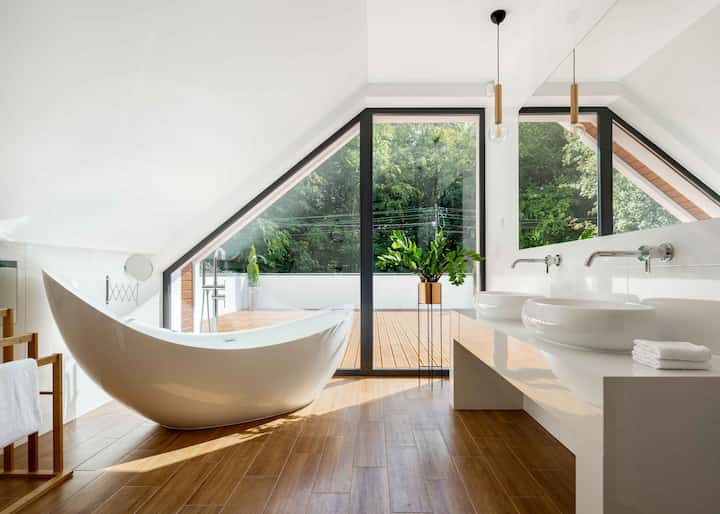
Bathroom Flooring Options
The bathroom is a space for relaxation, rejuvenation and personal care. Having the right flooring in the bathroom can make all the difference in achieving that sense of belonging. There are many options available when it comes to choosing the best flooring for your bathroom; from vinyl to luxury tiles, the possibilities are endless. This article will explore some of the most popular choices for bathroom flooring, including their benefits and drawbacks.
When selecting a type of flooring for a bathroom, factors such as cost, durability and style should all be taken into account. Vinyl flooring is one of the most popular options due to its affordability and ease of installation, but it may not be as durable or stylish as other materials. Ceramic or porcelain tiles are another popular choice as they can come in a variety of colors, shapes and sizes to match any interior design theme, however, they may require more maintenance than other types of flooring.
Natural stone tile is another great option for those looking for a luxurious look and feel in their bathrooms; though more expensive than other types of flooring, natural stone tile offers an elegant aesthetic that will last for years with proper maintenance. In addition to these popular choices, there are also several eco-friendly alternatives such as bamboo or cork that provide a unique look while also being environmentally conscious. No matter what type of flooring you choose, careful consideration should be given to each option before making your decision.
Overview Of Materials
When it comes to selecting bathroom flooring, homeowners have a variety of options. From resilient vinyl and laminate to ceramic tile and natural stone, there are several materials available that offer their own unique benefits and drawbacks. It is important to consider the type of look desired, budget, maintenance requirements, and the space's primary use when selecting the right flooring material for your bathroom.
Vinyl is an ideal choice for bathroom flooring as it is both durable and cost-effective. It has a wide array of colors and designs to choose from and can easily be installed with minimal effort. Vinyl is also water-resistant and easy to clean, making it a great option for busy households with kids or pets.
Laminate flooring resembles wood or stone but is made from composite materials which makes it more durable than hardwood or natural stone. It is relatively easy to install and maintain due to its resistance to moisture, stains, scratches, heat, and fading. Laminate also offers more design flexibility than other types of flooring since it can be cut into various shapes without compromising its integrity.
Ceramic tile can give any bathroom an elegant look while providing durability in high traffic areas. Ceramic tiles are resistant to water damage and come in a variety of styles such as smooth or textured surfaces as well as patterns that can add character to any space. They are also easy to clean with the proper tools but may require sealing if they are prone to staining or discoloration over time.
Natural stone such as marble or slate adds texture and color variation that can give any bathroom an upscale look. While this material is extremely durable, it does require regular maintenance such as sealing in order to prevent staining or discoloration over time. Natural stone may be too expensive for some budgets but provides a timeless beauty that will last for years if properly cared for.
Pros And Cons Of Each Type
When selecting a bathroom flooring option, it is important to consider the pros and cons of each type. Ceramic tile is a popular choice for bathrooms because of its durability and resistance to moisture. It is also available in a variety of colors, shapes, sizes and textures which can create an attractive look. However, ceramic tile can be cold to walk on and difficult to install or repair. Vinyl flooring is another popular choice for bathrooms due to its affordability and ease of installation. It can also come in various colors, designs and textures that mimic the look of wood or stone. On the downside, vinyl flooring is not as durable as tile, scratches easily and may not be suitable for areas prone to moisture.
Wooden flooring provides a natural look that can enhance the décor of any bathroom while adding warmth underfoot. It is also relatively easy to install with basic tools. However, wooden flooring requires regular maintenance such as sanding and resealing as it tends to warp over time when exposed to moisture or heat. Laminate flooring combines the classic look of hardwood with the convenience of vinyl tiles in terms of installation and maintenance requirements. Although it offers great resistance against water damage, it may be susceptible to fading from direct sunlight if not chosen carefully.
In weighing up the different options for bathroom flooring, one should consider factors such as cost, durability, maintenance requirements and overall aesthetic appeal before making a decision. This will help ensure that you select a material that meets your needs both now and in the future.
Factors To Consider When Choosing
When it comes to choosing the best flooring for the bathroom, there are a number of factors to consider. From durability and waterproofing to personal style, there are many aspects that need to be taken into account before deciding on any particular material. Knowing what these factors are can help make the process of choosing bathroom flooring easier and more efficient.
Firstly, it is important to think about how durable the chosen material is. For example, ceramic tiles are generally very hard-wearing and long-lasting, while vinyl flooring may not be as hardy or withstand significant wear and tear over time. Secondly, it is essential to determine whether the chosen material is waterproof or water-resistant in order to protect against potential moisture damage. Lastly, it is important to consider one’s own personal style preferences when making a decision. This could mean selecting a colour scheme or patterned design that complements existing décor or opting for something more neutral that would fit in with a variety of designs.
Overall, finding the right bathroom flooring requires consideration of both practicality and aesthetics. Durability, waterproofing capabilities and personal taste should all be weighed up before making a purchase in order to ensure that the ideal choice has been made and that homeowners will be happy with their decision for years to come.
Installation Tips And Techniques
Installing bathroom flooring requires careful preparation and the right set of tools. As a first step, it is essential to clean the subfloor and remove any existing flooring in order to ensure that the new flooring is properly installed. When cleaning the subfloor, use a vacuum cleaner or broom to remove debris and any other particles that could interfere with the installation process. It is also important to check for moisture levels in the subfloor before beginning installation. Once this has been done, a vapor barrier should be laid down on top of the subfloor in order to protect against moisture buildup from the underside of the bathroom flooring.
When installing bathroom flooring, it is important to follow manufacturer instructions for best results. This includes using recommended adhesives and sealants as well as cutting materials correctly and leaving appropriate expansion space around walls and fixtures. Additionally, certain types of materials such as stone tiles may require special sealing techniques or grouting to prevent damage from water seepage.
Finally, when installing bathroom flooring, it is important to take into account any additional requirements such as insulation or waterproofing. Also consider adding rugs or mats for additional padding and warmth to ensure your bathroom remains comfortable year-round. With these tips in mind, you can create a beautiful and functional space while ensuring longevity of your new flooring investment.
Maintenance Requirements
The maintenance requirements of bathroom flooring options vary widely. From the rugged resistance of stone to the luxurious sheen of vinyl, each material has its own unique demands. Like a guardian angel watching over her flock, regular care and attention are needed to ensure these materials retain their beauty and luster.
Ceramic tiles require frequent sweeping and mopping to prevent dirt from gathering in the grout lines. For best results, use a non-abrasive cleaner and mild detergent solution. A sealant should also be applied annually for added protection against liquids and dirt.
Vinyl is one of the easiest materials to maintain – simply sweep or vacuum on a regular basis and mop occasionally with warm water and a mild detergent. Vinyl also requires very little sealing or other treatments compared to other bathroom flooring options.
Stone has an undeniable beauty, but it also comes with significant maintenance requirements. It must be sealed regularly to protect against staining, chipping, and scratching, as well as buffed periodically to keep it looking its best. Furthermore, spills should be wiped up immediately as they can cause lasting damage if left untreated.
Get the Bathroom of Your Dreams with Professional Erie Bathroom Remodeling Contractors
Ready to give your bathroom a makeover? Get a quote for a professional remodel today and start transforming your space! With all the options available, you can find the perfect design that reflects your style and fits your budget. With the help of a professional
bathroom remodeling contractor, you can make sure your bathroom is both stylish and functional. Don't wait - start creating your ideal bathroom now!